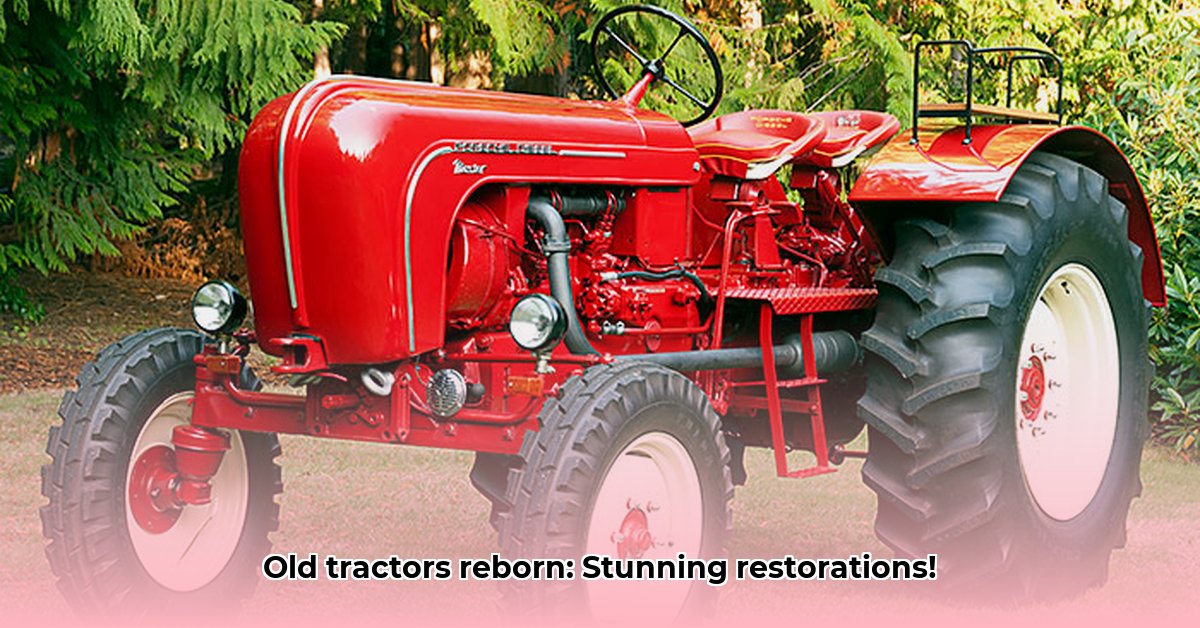
A Gallery of Glorious Machines
These aren't just rusty relics; they're captivating pieces of history, embodying hard work and ingenuity. The following images showcase a few beauties, each with its own unique story:
| Image | Make & Model | Approximate Year | Story Snippet |
|---|---|---|---|
| [Image 1] | John Deere Model D | 1930s | This trusty workhorse served a single family for over 30 years, plowing fields and gathering crops. |
| [Image 2] | Fordson Major | 1940s | A post-war icon, this tractor helped countless families rebuild their farms. |
| [Image 3] | Case SC | 1950s | Known for its reliability and power, this model was a farmer's best friend. |
| [Image 4] | International Harvester Farmall H | 1940s | Its classic design is still instantly recognizable, a true testament to timeless style. |
| [Image 5] | Allis-Chalmers WD45 | 1950s | This powerful machine turned heads then and continues to impress collectors today. |
(Note: Replace "[Image 1]", etc. with actual images of vintage tractors.)
See more vintage tractor photos at this great site.
Decoding the Tractor: Identifying Your New Project
Identifying your tractor is the crucial first step. Think of it like a detective story—you’re piecing together clues to unveil its identity. Start by examining key features: the hood's shape, the engine's location, unique wheel designs, and even its color. Many online resources and enthusiast forums offer detailed comparisons; side-by-side photos are incredibly helpful. Don't be shy about getting your hands dirty—a close inspection often reveals hidden details. A serial number, if you can find it, is a goldmine of information!
The Great Parts Hunt: Sourcing the Pieces of the Puzzle
Finding parts can feel like a treasure hunt, but there are paths to success:
Online Tractor Communities: These are invaluable resources, brimming with knowledge and leads on parts.
Antique Tractor Shows and Meets: These events offer a unique opportunity to connect with fellow enthusiasts and discover rare parts.
Specialty Dealers and Parts Suppliers: These businesses specialize in parts for specific brands and models, offering convenience and authenticity.
Junk Yards and Salvage Lots: Sometimes, the most unexpected places hold hidden treasures; look closely and you might find that elusive part.
Remember, patience is key. The right part might take time to find.
Getting Your Hands Dirty: A Beginner's Guide to Tractor Restoration
Restoring a vintage tractor is a rewarding journey. Even beginners can succeed with a methodical approach:
Deep Cleaning: Start with a thorough cleaning to assess the tractor's condition.
Assessment & Inventory: Inspect each part carefully, creating a detailed list of needed repairs or replacements.
Disassembly: Carefully dismantle the tractor, documenting each step with photos.
Repair & Replacement: Address repairs and source missing parts using the methods above.
Reassembly: Carefully reassemble, referencing your documentation.
Testing & Tuning: Test and adjust all functions to ensure smooth operation.
Safety First! Always prioritize safety and wear appropriate protective gear. Seek expert help if needed.
Preserving the Legacy: Documentation is Critical
Your restored tractor is a piece of history. Proper documentation ensures its story lives on:
Comprehensive Photo Documentation: Document each step of the process with high-quality images.
Detailed Parts Inventory: Keep a meticulous record of every part, noting its source and condition.
Restoration Journal: Maintain a journal documenting your work, challenges, and solutions.
By carefully preserving its story, you're safeguarding a piece of agricultural heritage.
How to Source Rare Parts for Vintage Tractor Restoration
Finding rare parts is the biggest challenge in restoring antique tractors. Building a network within the collector community is crucial. Careful planning, including budgeting, prevents costly mistakes. And never forget – document everything!